History
From Valley Farmland to Urban Retreat
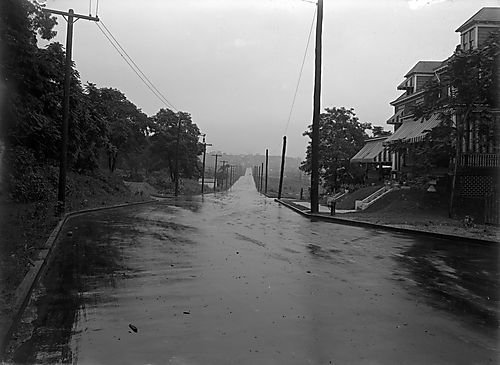
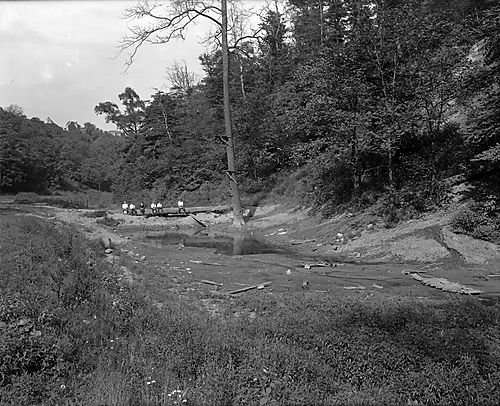
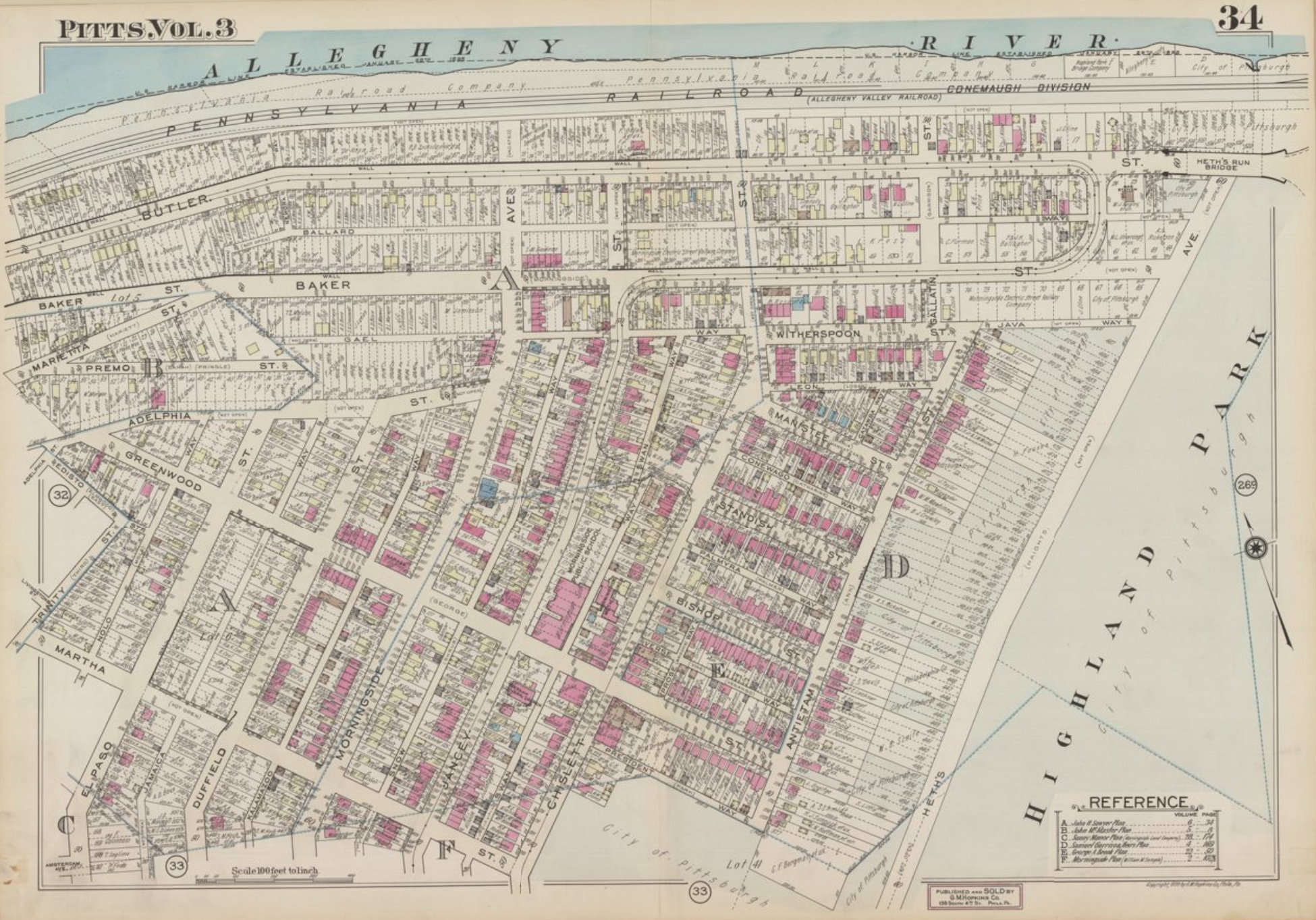
Nestled roughly 4.5 miles from the pulse of downtown Pittsburgh, Morningside is a neighborhood defined by its unique topography. Named after the Morningside Valley, the area’s distinct shape once carved out a quiet landscape of rolling hills and agriculture.
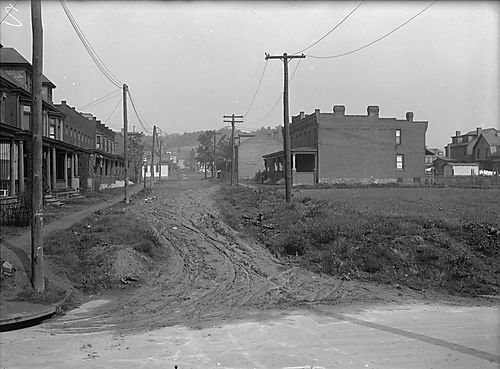
When the City of Pittsburgh annexed Morningside in 1868, the neighborhood was a far cry from the residential hub it is today. Primarily sprawling farmland, the landscape was dominated by three massive dairy farms and a vegetable farm that stretched from Martha Street to Stanton Avenue. Before the turn of the century, the population remained sparse, with only a handful of small cottages dotting the valley.
The Streetcar Boom (1900–1928)
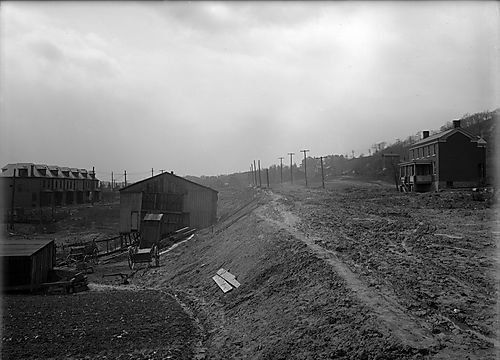
The early 20th century acted as the primary catalyst for change. While there were only about 80 houses by 1900, the real "spark" arrived in 1906 when the Pittsburgh Railway introduced a streetcar line on Chislett Street.
Suddenly, Morningside was accessible. Driven by a desire to escape the pollution and overcrowding of the industrial city center, Pittsburghers flocked to the valley. The growth was explosive: by 1921, the Morningside Community Association boasted over 400 members! And between 1924 and 1928 alone, a construction frenzy added 600 new homes to the neighborhood.
Morningside quickly earned a reputation as the premier destination for the "upwardly mobile." Many new residents migrated from neighboring Lawrenceville and Millvale, seeking a more refined, suburban lifestyle. This social climb was famously captured by a local priest, who joked that "as soon as Lawrencevillers learn to eat pie with a fork, they move to Morningside."
Shifting Demographics and Culture
The cultural fabric of the neighborhood has evolved through two distinct eras. Up until the 1940s, the population was largely composed of Protestant residents of English, German, Irish, and Scottish heritage, alongside a significant Jewish community.
However, the post-WWII era brought a transformative shift. A large influx of Italian immigrants moved into the area, fueling the rapid expansion of St. Raphael’s Church and reshaping the local culture. Along with Bloomfield, Morningside established itself as a primary destination for Pittsburgh’s Italian-American families.
Morningside Today
The neighborhood reached its demographic zenith in 1960 with a population of 6,004. While it eventually mirrored the general population decline seen across Pittsburgh in the late 20th century, Morningside has remained a remarkably stable and tight-knit enclave.
Today, home to over 3,000 residents, the neighborhood continues to adapt. Much like its transition from dairy farms to streetcar suburbs, Morningside is currently welcoming a new wave of residents, ensuring its history remains a living, breathing narrative in modern Pittsburgh.